

Purpose-built editing
The image remix sends the original image and only the inputs required for this operation. It avoids unrelated generation settings, so the task remains predictable and the saved history accurately describes what happened.
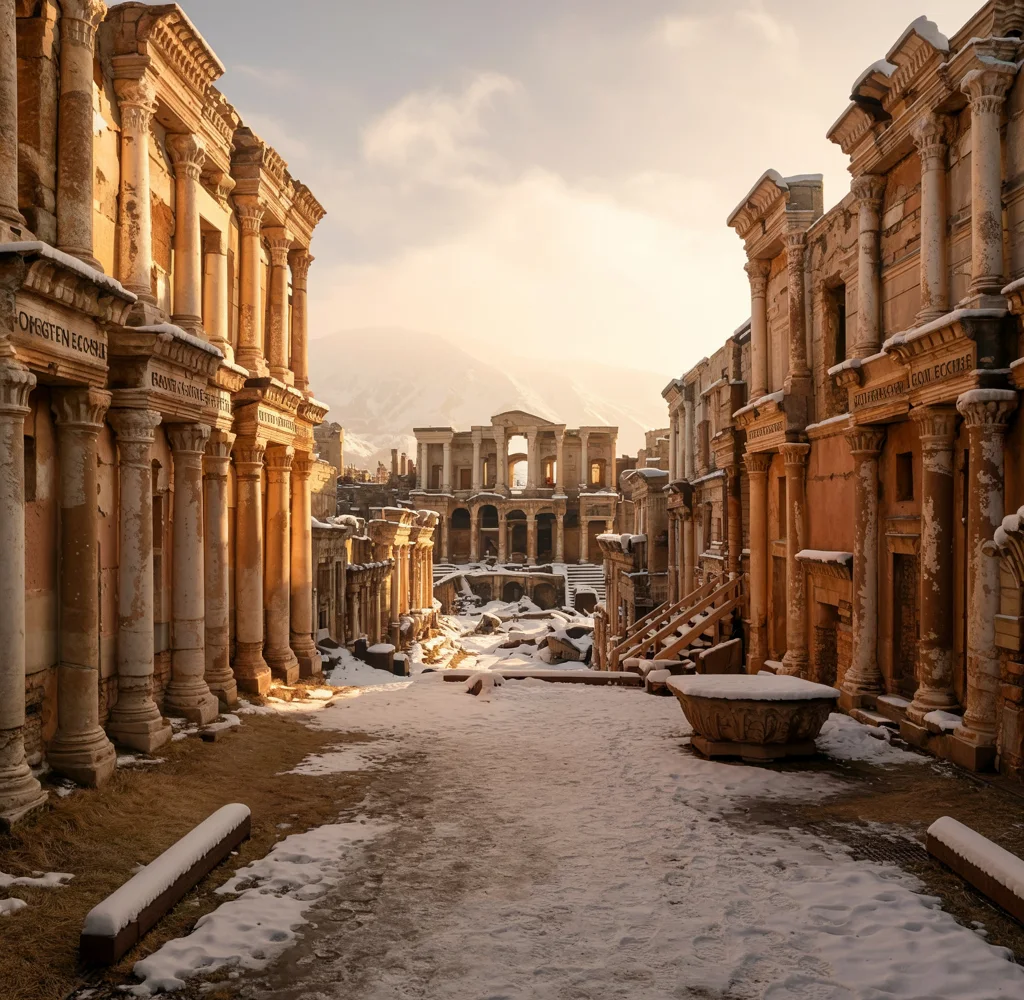
Ideogram AI Tools
Use this image remix to reinterpret a source image with a new style, subject treatment, or creative direction with Ideogram AI. Upload one image, choose practical controls, and create fresh variations that remain visually connected to the source without moving files between separate editing apps.
A image remix is a focused image editing tool that starts from an existing visual instead of a blank canvas. It analyzes the uploaded image, keeps the useful visual context, and applies a defined transformation through the Ideogram model. The workflow is useful when a conventional editor would require selections, masks, layers, or repeated manual cleanup.
This online image remix is designed for repeatable production work rather than a one-off demo. Each task uses the same secure upload, credit ledger, generation workflow, history record, and downloadable result used elsewhere on the site. Start from an image with a strong composition and describe the new direction more clearly than unchanged background details. Better source material gives the model clearer evidence and usually produces a more usable first result.
The remix keeps the architectural subject and central perspective, then reinterprets the environment with a changed atmosphere, surface detail, and narrative direction.
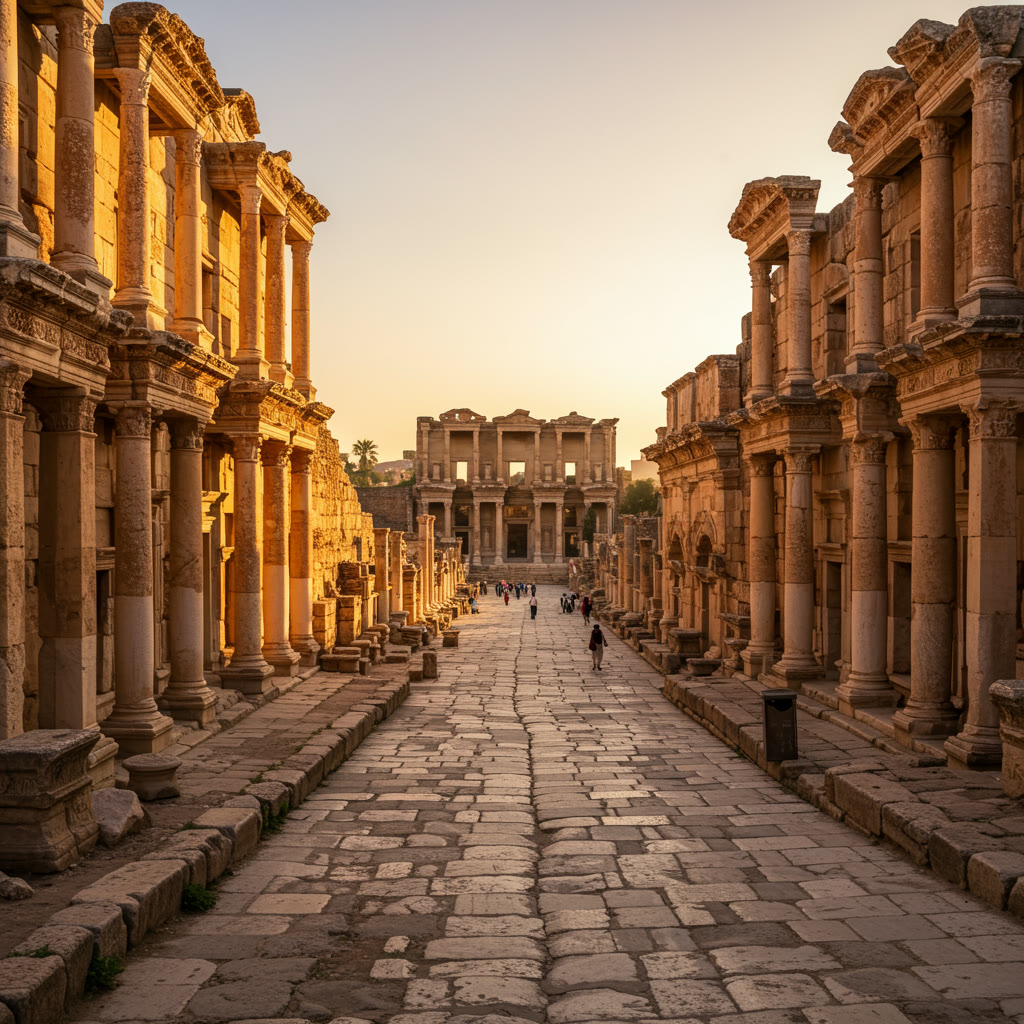
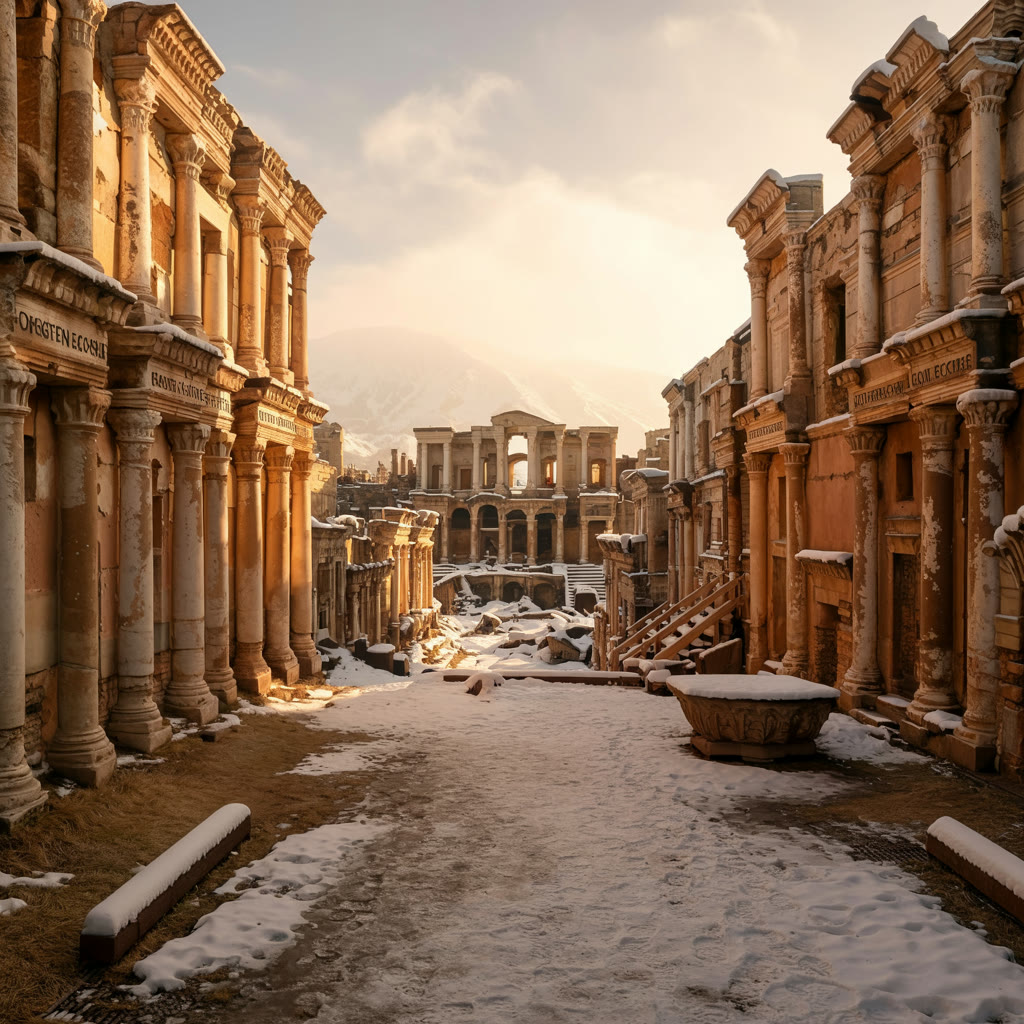
The controls are intentionally limited to settings that affect the real Fal Ideogram endpoint. That keeps the interface understandable while preserving the options that matter for quality, consistency, and cost.
The image remix sends the original image and only the inputs required for this operation. It avoids unrelated generation settings, so the task remains predictable and the saved history accurately describes what happened.
The remix-direction prompt is the main creative control. Use it to define the desired result without rewriting every visible detail. Remix strength, output ratio, and visual style provides an additional way to balance fidelity, detail, composition, or style.
Every image remix request runs through the existing durable workflow. Credits are consumed once, provider status is polled consistently, failed work is refunded, and successful files are saved to the same storage used by normal image generation.
Completed work remains available in History with the source image, model, credits, status, timing, and relevant tool options. This makes it easier to compare attempts, download the preferred result, and understand which settings were effective.
The generator stays in the first viewport so the task can begin immediately. The process is the same on desktop and mobile, and the job continues through the server workflow if the page is left open or revisited later.
Choose a JPEG, PNG, or WebP file that clearly shows the content you want to edit. Start from an image with a strong composition and describe the new direction more clearly than unchanged background details. Avoid unnecessary borders, tiny subjects, heavy compression, or screenshots with interface elements around the actual image.
Configure the image remix for the intended destination. The remix-direction prompt should describe the most important change first. Then adjust remix strength, output ratio, and visual style only when the default does not match the source or final use.
Start the task and compare the result with the original at full size. Check the intended composition, recognizable subject cues, and essential brand elements, inspect edges and small details, and download the file when it is suitable. If needed, change one setting at a time before generating again.
The tool is most valuable when the edit has a clear business or creative destination. These common scenarios show where the focused workflow can replace slower manual preparation.
Use the image remix for exploring alternate art directions from one approved campaign image. It helps teams produce a consistent visual direction from existing assets while reducing repetitive selection, retouching, and export work.
Apply the tool to turning photography into illustration, editorial, poster, or design treatments. The source image remains the visual anchor, while the targeted Ideogram operation creates a result that is easier to adapt for campaigns, catalogs, social posts, or client review.
Use the image remix for creating social and advertising variations without starting from zero. It helps teams produce a consistent visual direction from existing assets while reducing repetitive selection, retouching, and export work.
Apply the tool to developing visual concepts for characters, products, and environments. The source image remains the visual anchor, while the targeted Ideogram operation creates a result that is easier to adapt for campaigns, catalogs, social posts, or client review.
AI editing is strongest when the input and requested change are unambiguous. Use these checks before spending credits on several variations.
A image remix can infer missing detail, but it should not be expected to repair every unrelated problem. Use an image with clear focus, useful resolution, visible edges, and enough surrounding context for the requested operation.
Keep the source fixed while testing one control at a time. This makes comparisons meaningful and helps identify whether the remix-direction prompt or remix strength, output ratio, and visual style caused the visible difference.
After the image remix finishes, zoom into hair, fingers, typography, reflections, thin objects, repeated patterns, and high-contrast boundaries. These areas reveal identity drift, excessive composition changes, unwanted text, or style that overwhelms the source earlier than a small preview does.
Judge the result in the context where it will be used. A marketplace thumbnail, full-width banner, print asset, and social post have different requirements for crop, detail, empty space, color, and edge quality.
Ideogram is useful here because the operation combines image understanding with generative reconstruction. The image remix does more than apply a fixed filter: it interprets the source, follows the selected controls, and synthesizes pixels that fit the visual context. That is especially important when the change affects composition, texture, lighting, or missing image regions.
The site sends the request to the provider model named in the saved task rather than hiding it behind a generic label. This image remix currently uses the matching Fal Ideogram endpoint, while the shared workflow handles authentication, uploads, queue polling, storage, credits, and errors. The separation keeps provider-specific inputs accurate without duplicating the surrounding SaaS infrastructure.
It takes one uploaded image and performs the page's specific Ideogram editing operation. The exact controls differ by tool, but every result is processed asynchronously, saved to your history, and available for download after completion.
You can open the page and prepare an image without charge. Starting a task uses the credit amount shown on the action button. The price can change with rendering speed when the underlying Ideogram endpoint has multiple quality tiers.
Use a standard JPEG, PNG, or WebP image. A clear source with reasonable dimensions, limited compression, and an obvious subject gives the model better information. Very small or heavily damaged files may produce less reliable detail.
Yes. The uploaded source remains a separate user file and the generated result is stored as a new file. The history task links them for reference, so downloading or deleting a generated result does not overwrite the original image.
Generative image editing includes controlled randomness. Source quality, prompt wording, rendering mode, style, strength, detail settings, output ratio, and seed can all affect the result. Reusing a seed can improve repeatability when the endpoint supports it.
Review the full-resolution result rather than relying only on the preview. Check subject identity, text, hands, thin edges, reflections, repeated textures, intended crop, and the areas that the model reconstructed before using the image commercially.
Upload an image in the generator above, choose the settings that match the final placement, and let Ideogram create a ready-to-download edit through the shared AI image workflow.